Building a work wardrobe for office and hybrid days
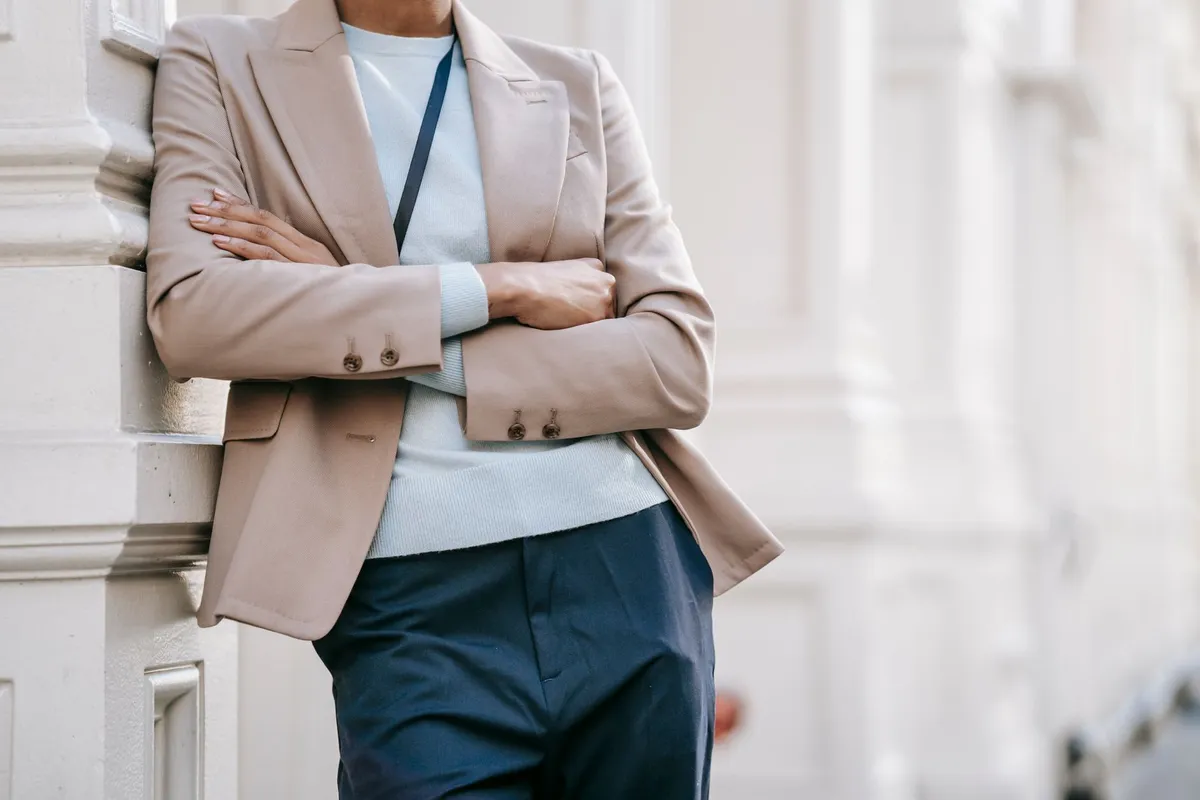
Work clothes have changed. Many people now split their week between the office and home, and dress codes have relaxed in most sectors. That sounds simpler, but it often makes getting dressed harder: what is smart enough for a client meeting yet comfortable enough for a day at the kitchen table? The answer is a small, well-planned work wardrobe in which almost everything combines.
Start with your real week
Before buying anything, look at how you actually work.
- How many days are you in the office, and how many at home?
- Do you meet clients or external partners, and how formal are they?
- Do you commute on foot, by bike or by public transport?
- What is the temperature like in your workplace? Many offices are cool in summer and warm in winter.
The answers decide the balance between tailoring and knits, and between shoes you can walk in and shoes for sitting at a desk.
Choose a colour base
A work wardrobe is easiest when it is built on two or three neutrals: navy, black, grey, camel, beige or white. Everything in these colours goes together, and you can add one or two accent colours in tops, scarves or accessories. If you prefer a very streamlined approach, our monochrome capsule wardrobe works well for the office too.
The core pieces
Around fifteen to twenty items will cover most working weeks.
Tailoring
- A blazer in a neutral colour, unstructured or lightly structured
- Tailored trousers in the same or a complementary colour
- A second pair of trousers, for example a wide-leg or a cigarette cut
- A knee-length or midi skirt, if you wear skirts
For the different trouser shapes, see our guide to trouser fits.
Tops
- Two plain shirts or blouses, in white and a soft colour
- Two fine-knit jumpers, such as merino in crew or V-neck
- Two good-quality T-shirts or knitted tops to wear under a blazer
- A cardigan that can replace the blazer on home days
Dresses
- A simple knit or jersey dress, which is a full outfit in one piece
- A shirt dress or a sheath dress
Outerwear and shoes
- A coat suitable for the commute, such as a wool coat or a trench. See our guide to styling a trench coat.
- Leather loafers or flats
- Ankle boots for colder months
- Clean, minimal trainers for relaxed offices and home days. Our guide to white sneakers explains how to keep them presentable.
- A structured bag large enough for a laptop or documents
Outfit formulas
Formulas take the thinking out of the morning. Here are a few that work with the pieces above.
| Situation | Formula |
|---|---|
| Client meeting | Blazer + shirt + tailored trousers + loafers |
| Ordinary office day | Fine knit + wide-leg trousers + ankle boots |
| Warm office | Knit dress + light cardigan + flats |
| Relaxed Friday | Blazer + T-shirt + dark jeans + trainers |
| Home day with video calls | Knit top or shirt + comfortable trousers |
On video calls, only the top half matters most. Plain fabrics and solid colours usually look better on camera than tight stripes or small checks, which can flicker on screen.
Adapting to your dress code
Formal workplaces
Lean on matching suits or co-ordinated trousers and blazers, crisp shirts, closed shoes and discreet accessories. Invest in fit: a good tailor can adjust sleeves, hems and waists for a modest cost, and well-fitted clothes look more expensive than they are.
Business casual
Mix tailoring with knits. A blazer with a jumper and trousers, or a cardigan with a skirt, hits the right note. Dark jeans may be accepted on some days.
Creative or relaxed
You can bring in more colour, prints and casual pieces. A sharp blazer still lifts a simple outfit, and a well-chosen piece of jewellery adds personality. Our article on layering gold jewellery has ideas for keeping it subtle.
Fabrics for long days
Choose fabrics that look smart after hours of sitting.
- Wool and wool blends resist creasing and regulate temperature well.
- Cotton with a little stretch is comfortable for trousers but can bag at the knees.
- Viscose and lyocell drape well in blouses and dresses.
- Linen is pleasant in summer but creases quickly, which may not suit every workplace.
For more on fibres, read our guide to natural fibres.
Keeping it in good shape
Work clothes are worn often and need regular care. Hang blazers and trousers on shaped hangers, let wool rest between wears, and brush or steam rather than washing after every use. Plan the week’s outfits on Sunday evening if mornings are hectic; with a coherent wardrobe, it takes about five minutes.
This article may contain partner links. They never influence what we write.