Choosing a watch strap: leather, metal, fabric or rubber
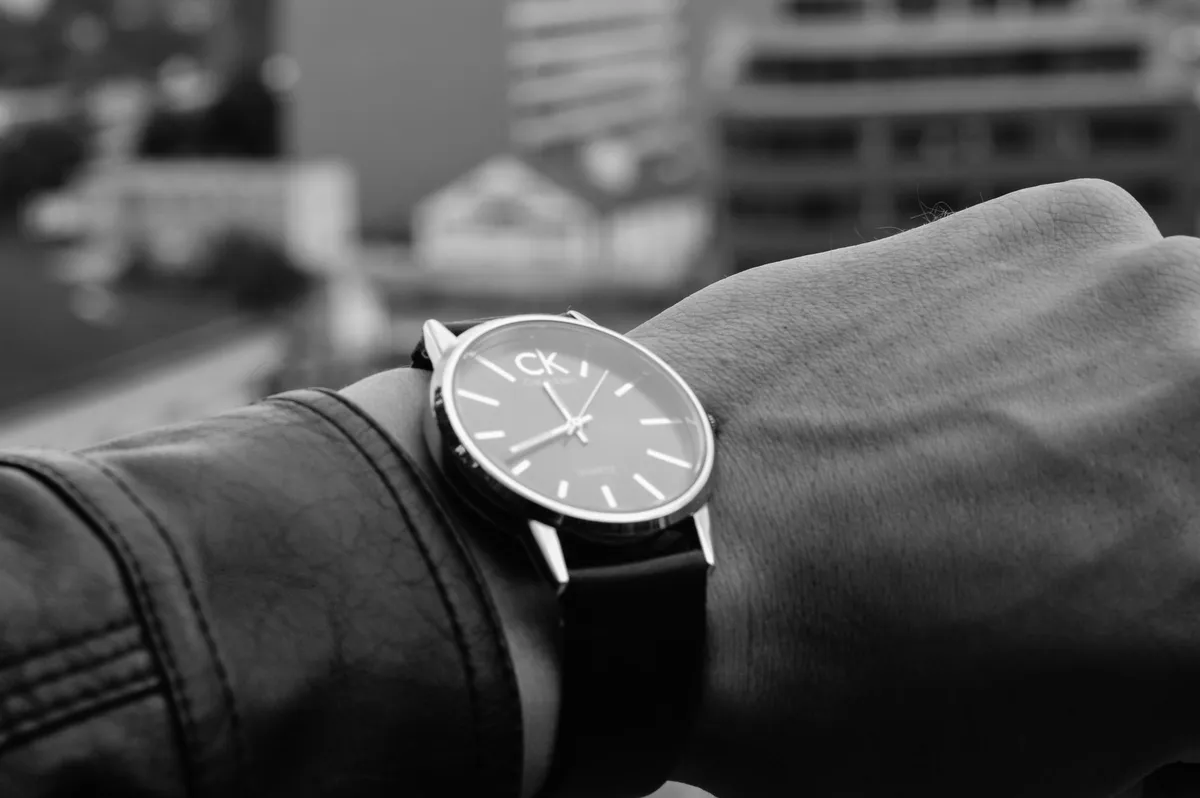
The strap is the part of a watch you see most and the part that wears out first. It is also the easiest to change. A new strap can make a simple watch look dressier, sportier or simply fresher, often for much less than the cost of a new watch. Here is how to choose.
Start with the measurements
Lug width
The lugs are the small horns on either side of the case where the strap attaches. The distance between them, the lug width, is the most important measurement. It is usually given in millimetres and is often an even number. Common widths for many watches are 18, 20 and 22 mm, while many smaller watches use narrower straps.
To check it, measure the inside distance between the lugs with a ruler, or measure the width of your current strap where it meets the case. A strap that is even one millimetre too narrow will leave gaps and may slip off its spring bars.
Length
Straps come in different lengths. Look at the hole you use on your current strap: if it is near the end, you need a shorter strap; if you barely reach the first holes, a longer one. A well-fitting strap fastens around the middle holes.
Taper
Many straps narrow slightly towards the buckle. A strong taper looks elegant and slim; a straight strap looks sportier.
The main strap materials
| Material | Look | Strengths | Limits |
|---|---|---|---|
| Leather | Classic to casual | Comfortable, ages well | Dislikes water and sweat |
| Suede | Soft, relaxed | Textured, autumnal | Marks easily |
| Metal bracelet | Polished to sporty | Durable, water-friendly | Heavier, needs sizing by links |
| Mesh | Sleek, fine | Adjustable, light | Can catch hairs |
| Fabric or NATO-style | Casual, colourful | Light, washable, cheap to replace | Less formal |
| Rubber or silicone | Sporty | Waterproof, easy to clean | Can look too casual |
Leather
Leather straps suit almost every occasion. Smooth black or dark brown leather is the dressiest option; lighter tan and textured leathers are more relaxed. As with any leather piece, look at the edges and stitching: a well-finished edge and even stitches are signs of quality. Our guide to choosing a leather bag explains what to look for in leather in more detail.
Leather does not like water. Take it off before swimming or washing up, and let it air dry if it gets wet.
Metal bracelets
A steel bracelet is the most versatile choice for daily wear: it shrugs off water, works with both casual clothes and tailoring, and lasts for years. Mesh bracelets, made of fine woven metal, are lighter and often adjustable without tools. Match the metal tone to your other jewellery, whether silver-toned like the pieces in our article on stacking rings or gold-toned.
Fabric straps
Fabric straps, including the single-piece woven nylon straps often called NATO straps, pass under the watch and through the spring bars. They are light, come in many colours and stripes, and can be washed. They are an easy way to give a watch a summer look.
Rubber and silicone
For sport, swimming and hot weather, rubber or silicone is the most practical. It does not absorb sweat and can be rinsed under the tap.
Matching the strap to your outfit
- Formal: thin, smooth leather in black or dark brown, or a polished bracelet.
- Office: leather in brown or tan, or a steel bracelet.
- Weekend: suede, textured leather, fabric or mesh.
- Sport and holidays: rubber, silicone or fabric.
A traditional rule is to match a leather strap to your shoes and belt. It is not essential, but it does make an outfit look considered. See our guide to choosing a belt for more on coordinating leather accessories.
Changing a strap yourself
Most straps are held by spring bars, small spring-loaded pins that fit into holes in the lugs.
- Lay the watch face down on a soft cloth.
- Use a spring bar tool, a small fork-ended tool, to press the end of the bar inwards between the strap and the lug.
- Ease the strap out and set the spring bar aside.
- Thread the spring bar through the new strap.
- Fit one end into its lug hole, compress the other end with the tool and slide it into place until it clicks.
- Tug gently to check it is secure.
Many newer straps have quick-release spring bars with a small lever, which you can operate with a fingernail. They make it easy to keep several straps and swap them to suit the day.
Metal bracelets are adjusted by removing links, a job a watch repairer can do quickly if you are unsure. Some watches have integrated bracelets or unusual fittings, so check before buying a replacement.
Making straps last
- Rotate between two or three straps so each one rests.
- Do not wear the strap too tight; the skin needs to breathe.
- Wipe leather and metal regularly with a soft, slightly damp cloth.
- Store leather straps flat or in their natural curve, out of direct sun.
With two or three well-chosen straps, a single watch can go from the office to a New Year’s Eve party without looking out of place.
This article may contain partner links. They never influence what we write.