Choosing a belt: width, leather, buckles and the right size
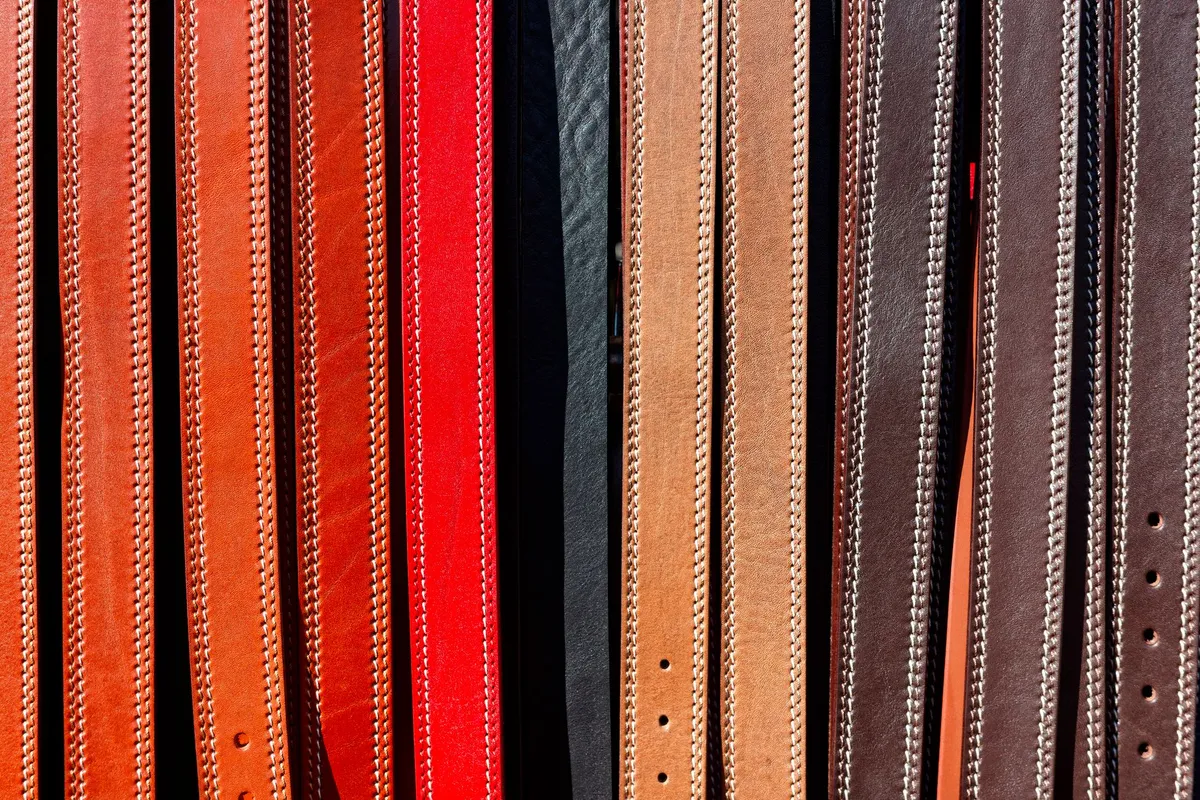
A belt is often bought as an afterthought, yet it is one of the hardest-working accessories in a wardrobe. It holds trousers in place, defines the waist of a dress or coat, and finishes an outfit. Choosing well comes down to four things: width, material, buckle and size.
Width: the most important choice
Belt width decides where a belt can be worn. A belt that is too wide will not fit through jean loops; one that is too narrow looks lost on a heavy coat.
| Width | Typical use |
|---|---|
| Narrow (about 2 cm or less) | Dresses, blouses, fine trousers, layered over knits |
| Medium (about 2.5–3.5 cm) | Tailored trousers and everyday jeans |
| Wide (about 4 cm and more) | Jeans with wide loops, worn at the waist over dresses or coats |
Before buying, measure the height of the belt loops on your favourite trousers and jeans. The belt must slide through comfortably.
Material
Leather
Leather is the classic choice and, when well made, it lasts for many years. As with bags, the type of leather matters:
- Full-grain leather keeps the whole outer surface of the hide. It is the strongest and develops a patina with age.
- Top-grain leather has been sanded and finished. It looks smoother and more uniform but is slightly less robust.
- Bonded leather is made of leather scraps glued together, often with a coated surface. It tends to crack and peel at the holes.
Look at the edges. Well-finished edges are smooth, painted or burnished. Raw, fraying edges or visible layers glued together suggest a lower-quality belt. Our guide to choosing a leather bag explains these differences in more detail.
Suede
Softer and more casual, suede pairs well with knits and autumn colours. It marks more easily and needs a suede brush to stay neat.
Fabric and woven belts
Canvas, webbing and braided elastic belts are casual and adjustable. Braided belts have no holes: the prong of the buckle goes through any gap in the weave, so they fit perfectly at any point.
Chain and metal belts
These are decorative rather than practical. They work best over a dress or a long knit, where they do not need to hold anything up.
Buckles
The buckle sets the tone.
- Simple frame buckles in silver or gold tones are the most versatile.
- Plate buckles are more decorative and draw attention to the waist.
- Double-ring and D-ring buckles have no holes and suit fabric belts.
- Western-style buckles are a statement piece for denim.
Coordinate the metal with your jewellery or bag hardware where you can. If you mostly wear gold, as in our guide to layering gold jewellery, a gold-toned buckle keeps the look consistent.
How to wear a belt
With jeans
A medium leather belt in brown or black is the safest choice. With high-rise jeans and a tucked-in top, a slightly wider belt or a buckle with some character becomes part of the outfit. For ideas, see our guide to wearing one denim shirt five ways, where a belt makes the half-tuck work.
With tailored trousers
Keep it slim and smooth, with a discreet buckle. The colour should usually match or complement your shoes.
With dresses
A belt at the natural waist, the narrowest part of the torso, gives shape to a loose shirt dress or a knit dress. A narrow belt is subtle; a wide one makes a clear statement. Belting just under the bust or at the hips changes the proportions again, so try different heights in front of a mirror.
Over coats and knits
Belting a long cardigan or a wool coat creates a defined silhouette and adds warmth by closing the gap at the front. Choose a wide belt or the coat’s own tie belt, and fasten it loosely so the fabric drapes.
Finding the right size
Belt sizes are not always the same as trouser sizes, and brands measure them differently.
- Take a belt that fits you well.
- Measure from the point where the leather folds at the buckle to the hole you use most.
- That length is your belt size. Many belts are labelled in centimetres this way.
A well-sized belt fastens on the middle hole, leaving room to adjust either way. The tail should reach past the first belt loop, but not much further.
Caring for leather belts
- Hang belts by the buckle or roll them loosely; do not fold them tightly.
- Wipe with a damp cloth and apply leather conditioner from time to time to prevent cracking.
- Alternate belts so each one rests and keeps its shape.
- If the holes start to stretch, a cobbler can often add a new hole or replace the buckle.
A few good belts, one black, one brown and one more distinctive piece, will cover almost every outfit.
This article may contain partner links. They never influence what we write.