Washing and de-pilling knitwear: wool and cashmere care at home
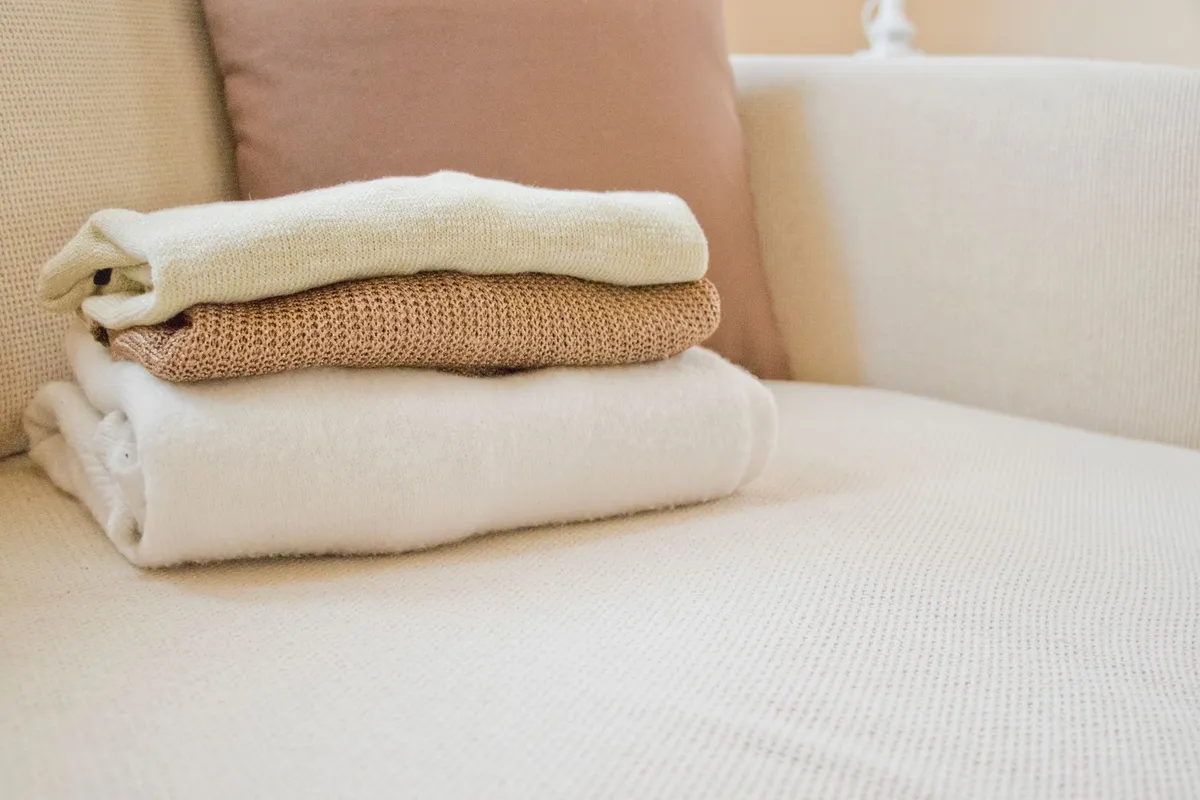
A good jumper can last a decade or more, but it is also the piece most likely to be ruined in a single wash. Wool shrinks and felts when it is agitated in hot water, cashmere pills where it rubs, and moths are happy to eat both. The good news is that caring for knitwear at home is simple once you know what wool dislikes. This guide covers washing, drying, de-pilling and storage.
Wash less than you think
Wool is naturally resistant to odours and sheds dirt well. After wearing a jumper, air it overnight on a chair back or a wide hanger, away from direct heat. Many knits only need a proper wash a few times per season, or when there is a visible mark. Spot clean small stains with a little cold water and a drop of wool detergent rather than washing the whole garment.
Wearing a thin cotton T-shirt underneath also keeps the knit fresh much longer, as it absorbs most of the perspiration.
Hand washing, step by step
Before anything else, check the care label. Our guide to reading clothing care labels explains the symbols. A hand in the washtub means hand wash; a crossed-out tub means the item should go to a professional.
- Fill a basin with cool or lukewarm water. Around 30 degrees is the usual limit for wool. Avoid hot water at all costs.
- Add a detergent made for wool. These are gentler than standard detergents, which may contain enzymes that damage animal fibres. Dissolve it fully before adding the jumper.
- Turn the jumper inside out and submerge it. Press it gently under the water a few times.
- Let it soak for around ten minutes. Do not rub, twist or scrub. Friction combined with warm water is what makes wool felt.
- Rinse in water of the same temperature. A sudden change from warm to cold can also encourage shrinking. Rinse until the water runs clear.
- Press out the water by squeezing the jumper against the side of the basin. Never wring it.
Can you use the machine?
Many modern washing machines have a wool or hand-wash programme with low temperature and minimal spinning. If the label allows machine washing, this is usually safe for wool and even for many cashmere pieces. Put the item in a mesh laundry bag and use wool detergent. If the label says hand wash only, stick to the basin.
Drying knitwear flat
Wet wool is heavy and stretches easily, so never hang a damp jumper.
- Lay it on a clean, dry towel and roll the towel up like a sushi roll, pressing to absorb the water.
- Unroll it and lay the jumper flat on a fresh towel or a flat drying rack.
- Reshape it while damp: straighten the ribbing, square the shoulders and line up the sleeves.
- Leave it to dry away from radiators and direct sunlight, turning it over once.
A tumble dryer is the quickest way to shrink a woollen jumper. Unless the label explicitly allows it, keep knits out of the dryer.
Removing pills
Pilling is the formation of small balls of fibre on the surface of a knit, especially under the arms, on the sides and on the cuffs. It happens when short fibres work loose through friction and tangle together. It is not necessarily a sign of poor quality: soft, loosely spun yarns such as cashmere pill more, especially in the first few wears.
There are three common tools:
| Tool | Best for | Watch out for |
|---|---|---|
| Sweater comb | Fine knits, cashmere | Work gently in one direction |
| Fabric shaver (battery or electric) | Larger areas, thicker knits | Keep it flat; do not press into the fabric |
| Pumice-type de-pilling stone | Chunky wool | Too abrasive for fine knits |
Lay the jumper flat on a table and work in small sections with light pressure. Do it before washing rather than after, so the loosened fibres rinse away. Avoid using scissors or razor blades, which can easily cut the yarn.
Storing knitwear
Fold, do not hang
Hangers stretch the shoulders of a jumper out of shape. Fold knits and store them on a shelf or in a drawer, with the heaviest at the bottom of each pile. If you must hang one, fold it over the bar of a hanger rather than using the shoulders.
Keep moths away
Clothes moth larvae feed on keratin, the protein in wool, cashmere and other animal fibres, and they are especially attracted to fibres that carry traces of sweat or food. A few habits help:
- Only store knitwear that is clean.
- Use breathable cotton bags or closed boxes for longer storage.
- Cedar blocks or lavender sachets can make a cupboard less inviting, though they are not a guarantee.
- Take knits out, shake them and check them regularly, especially in spring and summer.
When the cold months end, our guide to storing seasonal clothes explains how to pack winter knits away safely.
Small repairs
A small hole or a pulled thread does not mean the end of a jumper. Snags can be eased back to the inside with a crochet hook or a blunt needle. Small holes can be darned with matching yarn, or made into a feature with visible mending in a contrasting colour. A careful repair is far better than a new jumper bought in a hurry, and a well-kept knit is at the heart of autumn layering.
This article may contain partner links. They never influence what we write.